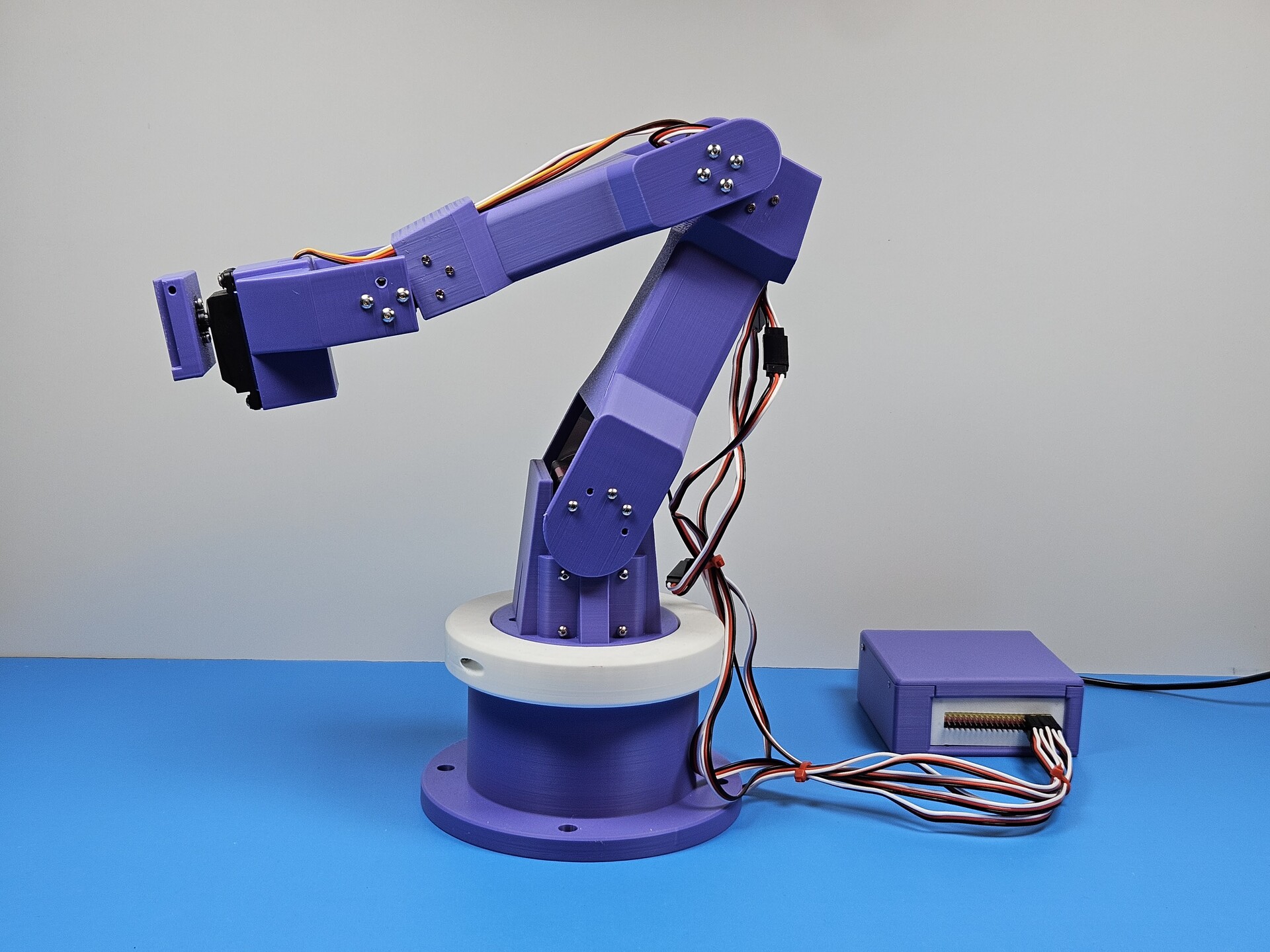
Robot Arm
5-DOF 3D-Printed Robotic Arm: A versatile, servo-driven robotic platform designed to explore inverse kinematics and physical dynamics (torque, forces, and motion). Built with an Arduino Nano ESP32 and PCA9685 board it can be used to control a pen, gripper, or other tools.
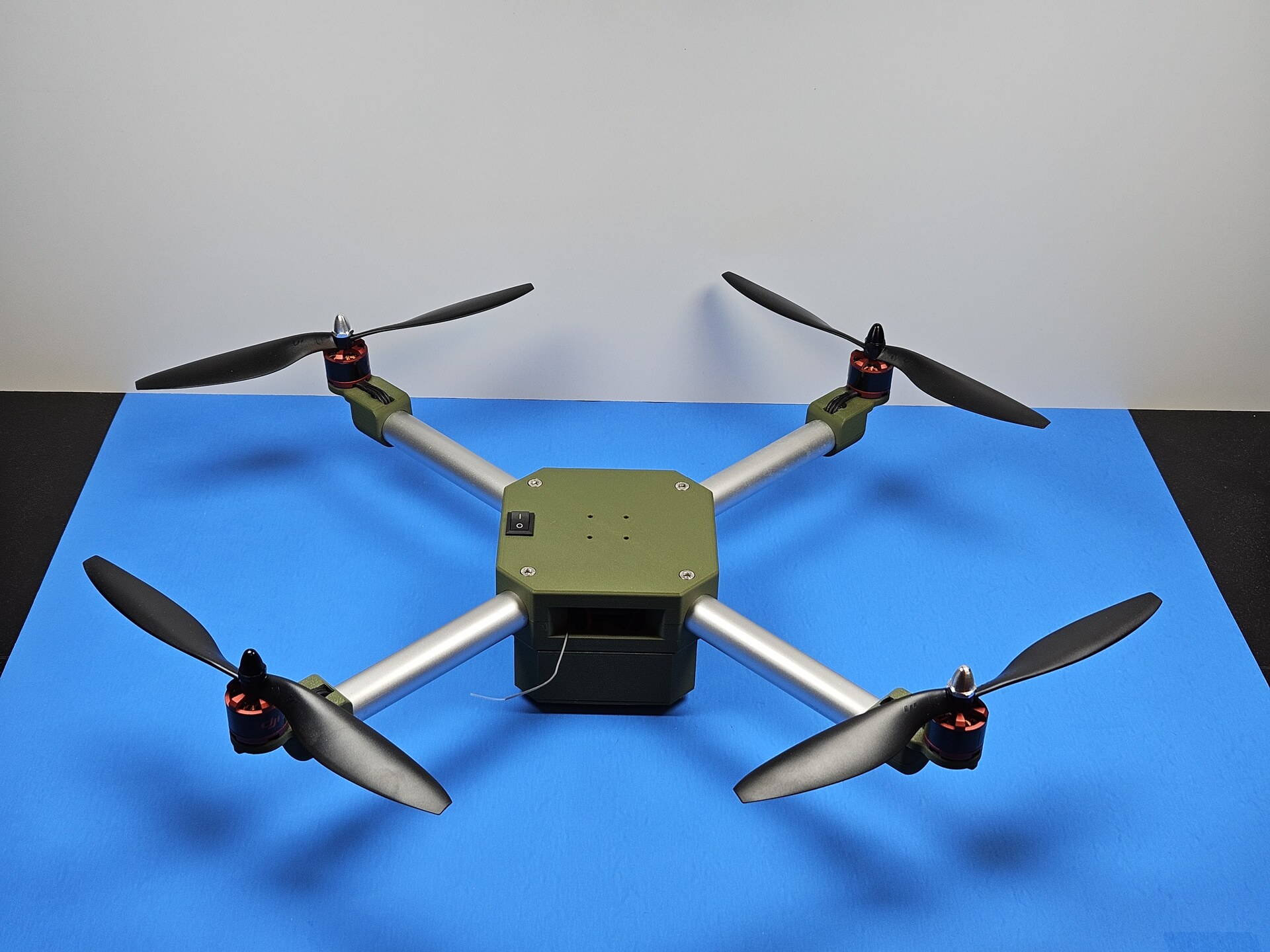
Drone
A custom quadcopter I designed to learn about PID control loops and implement core flight dynamics (pitch, roll, yaw, and motion) using minimal hardware. Powered by an Arduino Nano and an MPU-6050 IMU, it features 4 ESCs and an RC receiver for real-time stabilization and flight control.
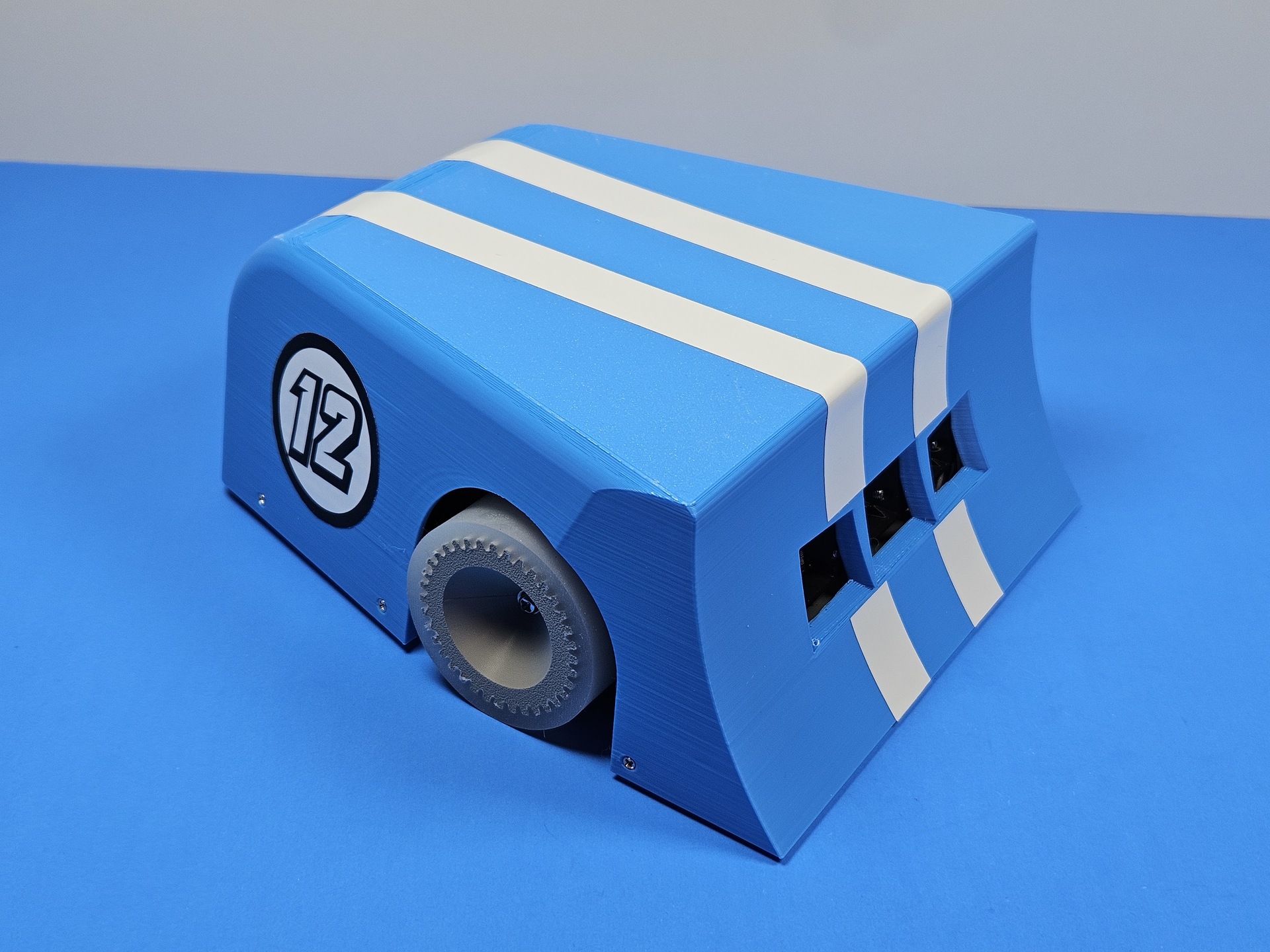
Sumo Bot
A school competition-winning robot powered by an Arduino Uno. It features three VL53L1X ToF laser sensors for opponent detection, four QRE1113 IR modules for boundary detection, and custom silicone-molded wheels driven by high-torque servos converted to DC motors and a TB6612FNG controller for maximum traction.
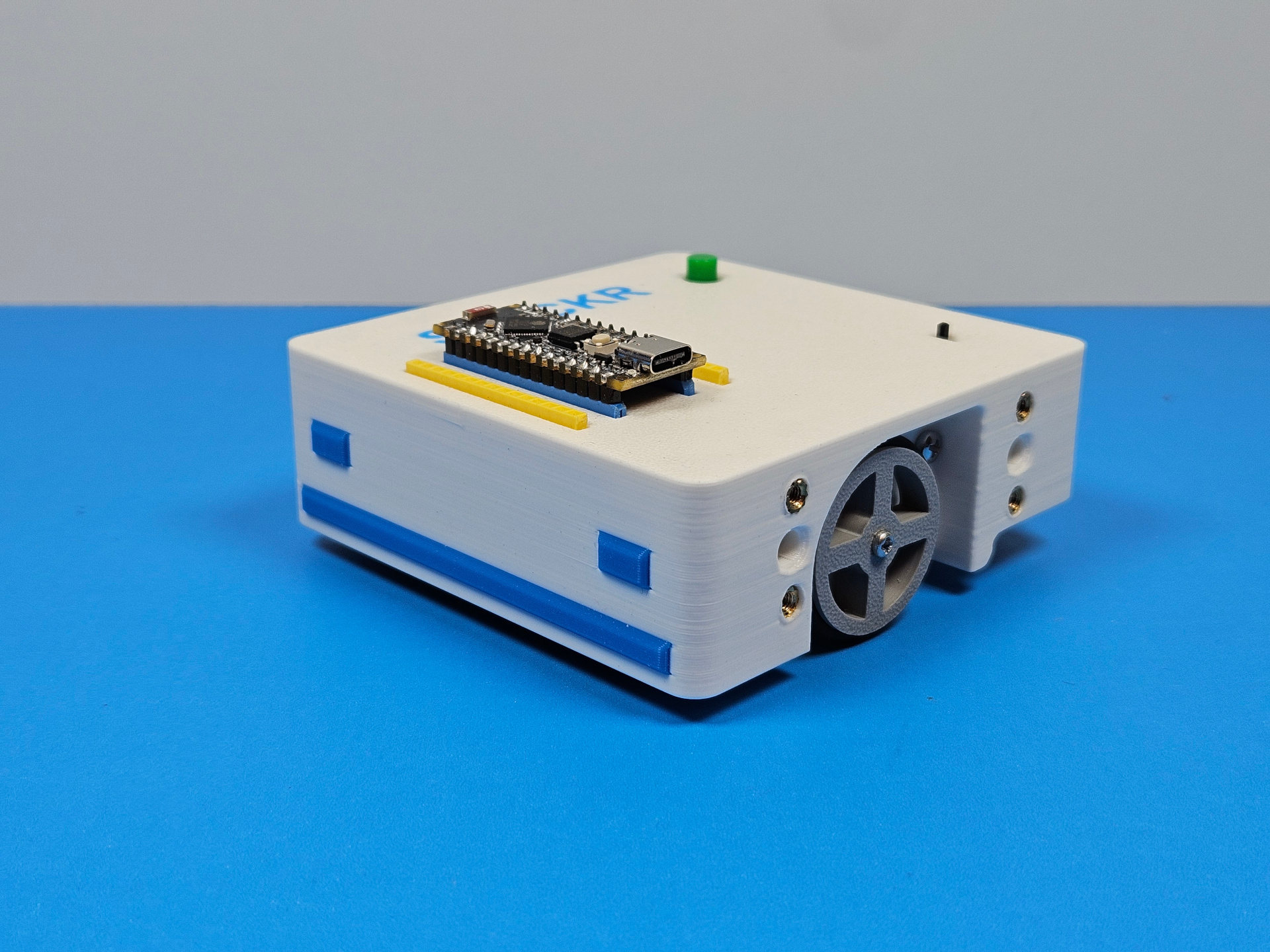
Stackr
Designed for the business I started, robotixone.com, Stackr is a modular mechatronics platform. A cost-effective, highly extensible differential-drive mobile robot it was developed for robotics education and hands-on experimentation. Powered by an Arduino Nano ESP32, TB6612FNG driver, and 18650 LiPo battery setup, it is designed to seamlessly support modular add-ons for a wide range of applications.
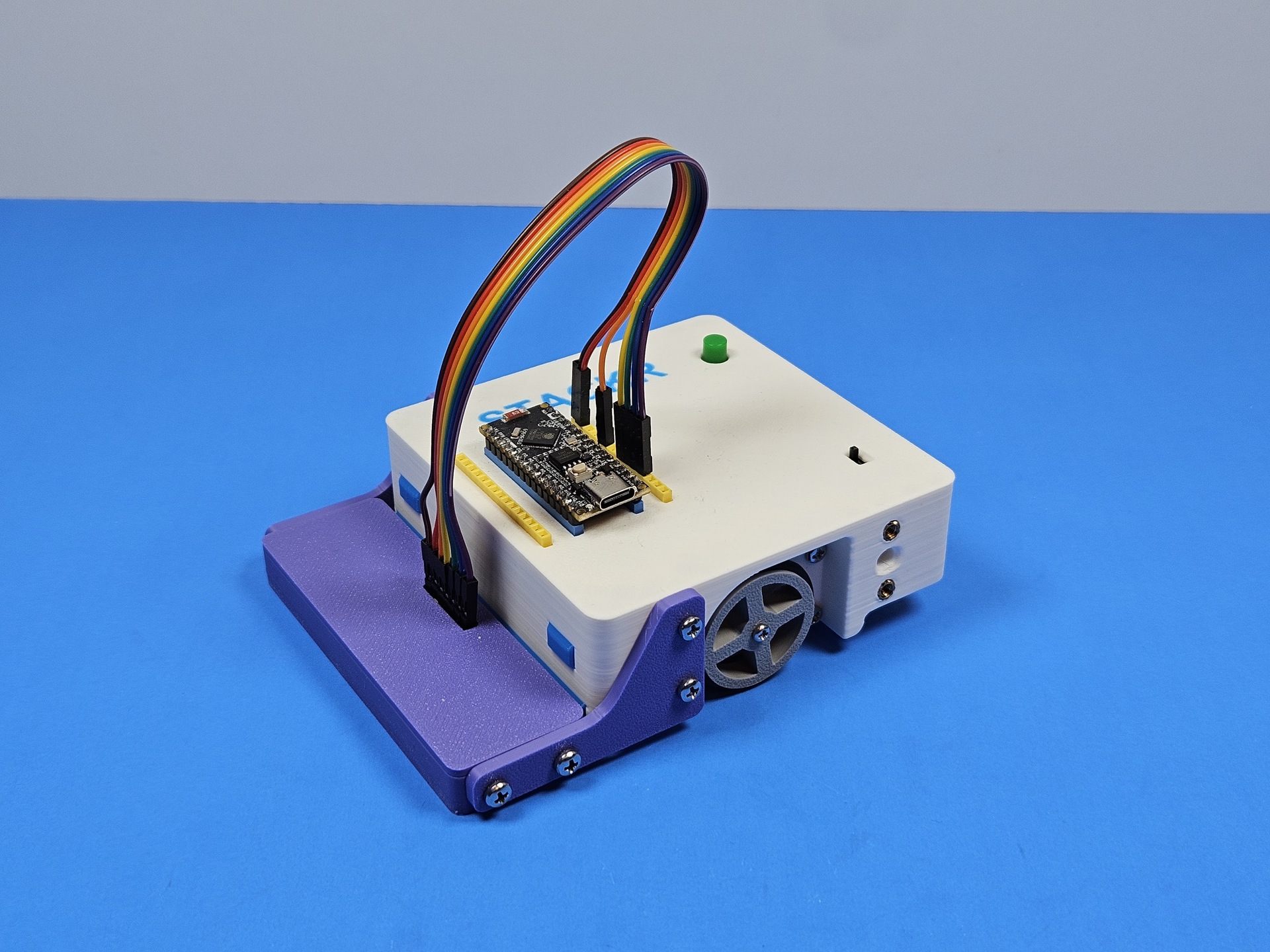
Line Follower
Line follower is one of the most typical robotic applications. I custom designed and built an infrared sensor bar using five QRE1113 modules. This is an add-on for the Stackr robot. It is designed to explore classic line-following strategies and serve as an accessible introduction to PID control algorithms. It's also a fun project that can be expanded to solve very complex tracks.
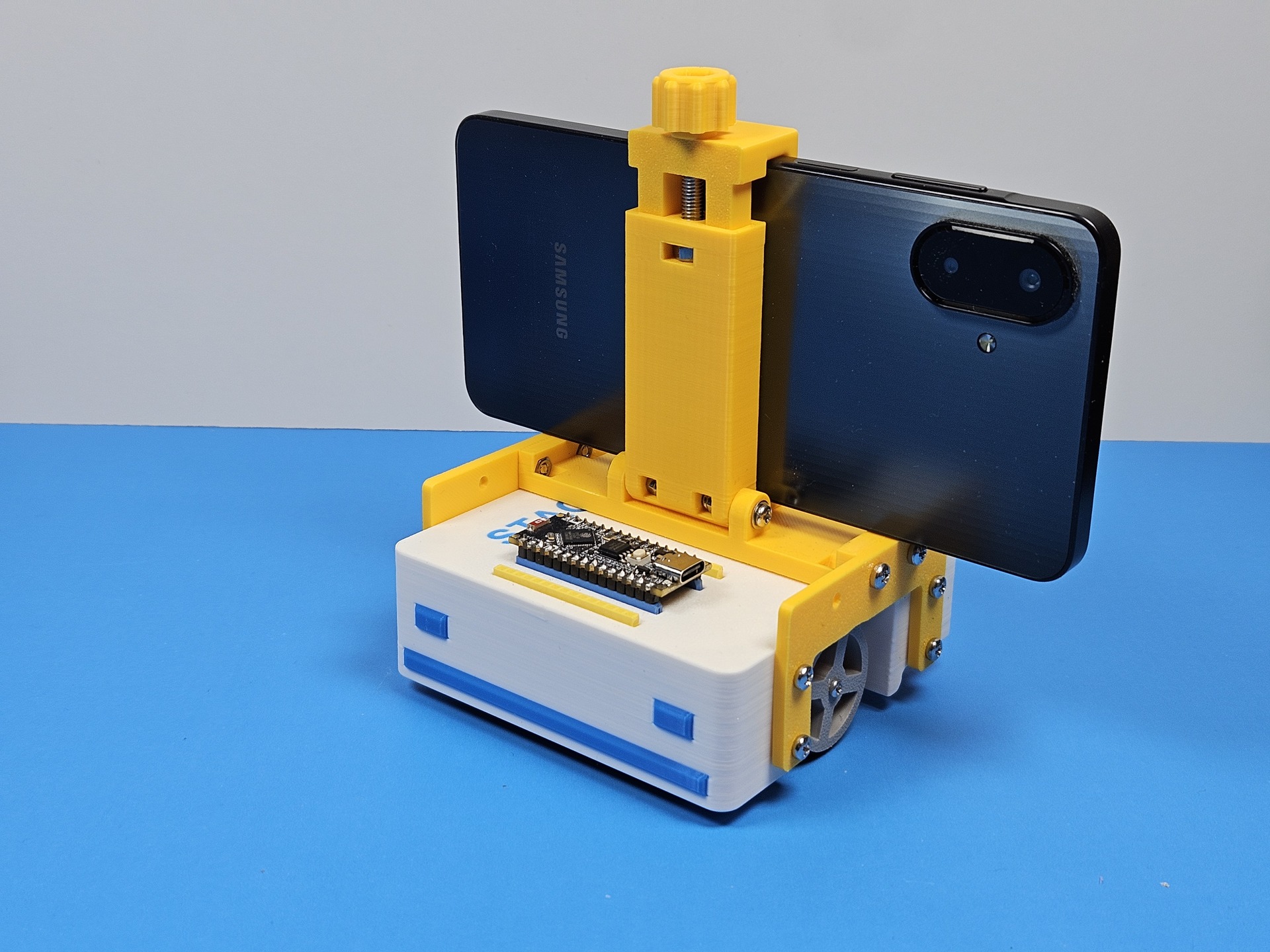
Full Self Driving
With a simple phone mount attachment for the Stackr I was able to enable a variety of applications. The simplest one is to control the robot remotely outside the line of sight. But the main reason I built this was to add AI vision and allow the robot to “see” and “understand” its environment. Using a distributed architecture, streaming video from the smartphone to a desktop app running YOLO object detection to issue real-time tracking commands back to the robot using BLE or WiFi I was able to make the robot follow objects regardless they were static or in motion.
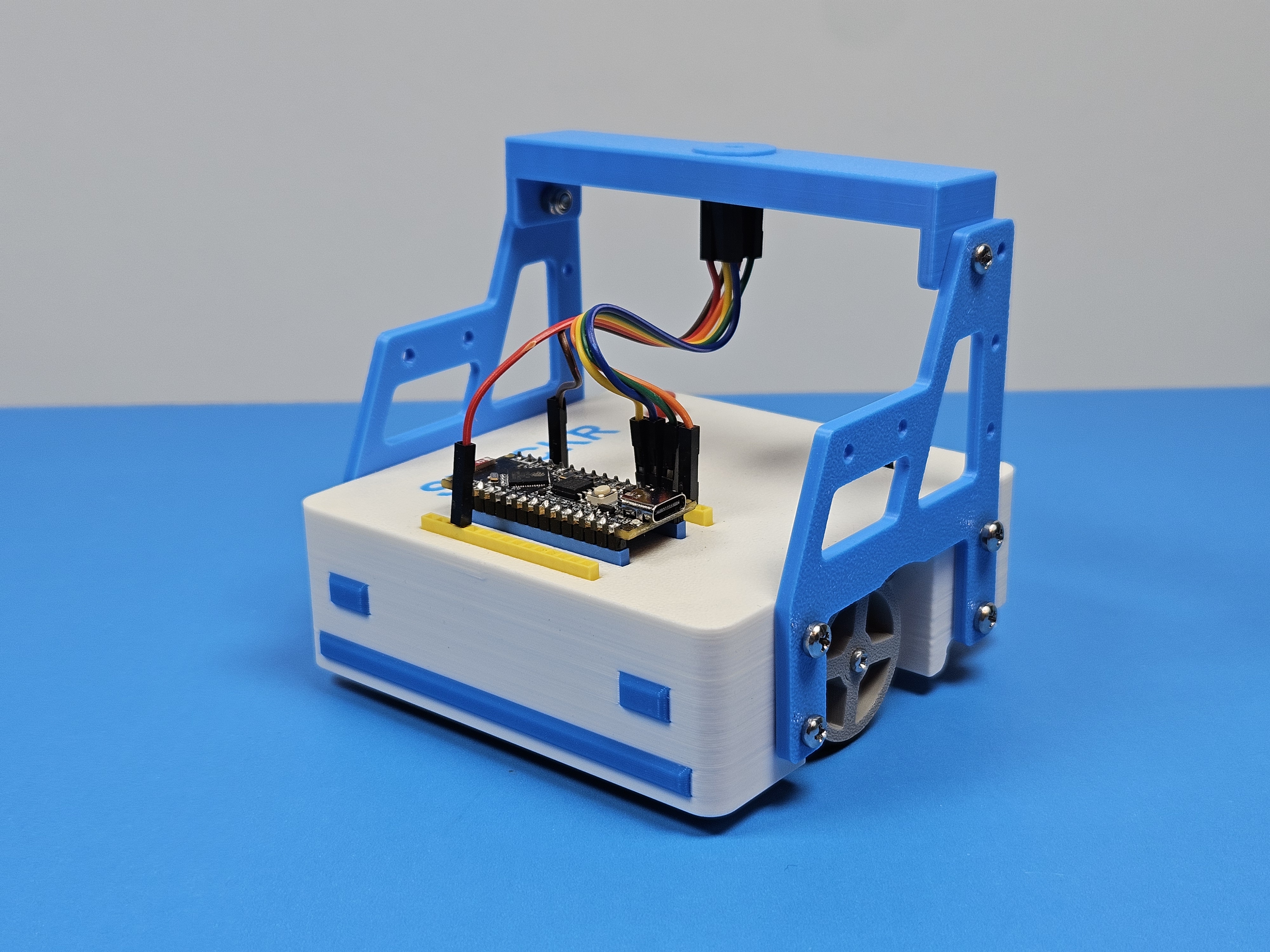
Voice Controlled Stackr
In the spirit of the Full Self Drive (FSD) project I wanted my Stackr robot to get voice control as well. Using a INMP441 microphone I gave the robot “ears”. With a similar architecture to the FSD project I created an audio stream over WiFi from the microphone to the desktop. Running a voice to text AI application on the desktop I was able to understand the commands coming from the robot and control it accordingly. This project was a good opportunity to learn about I2S digital audio interface and how to add another AI capability to Stackr.
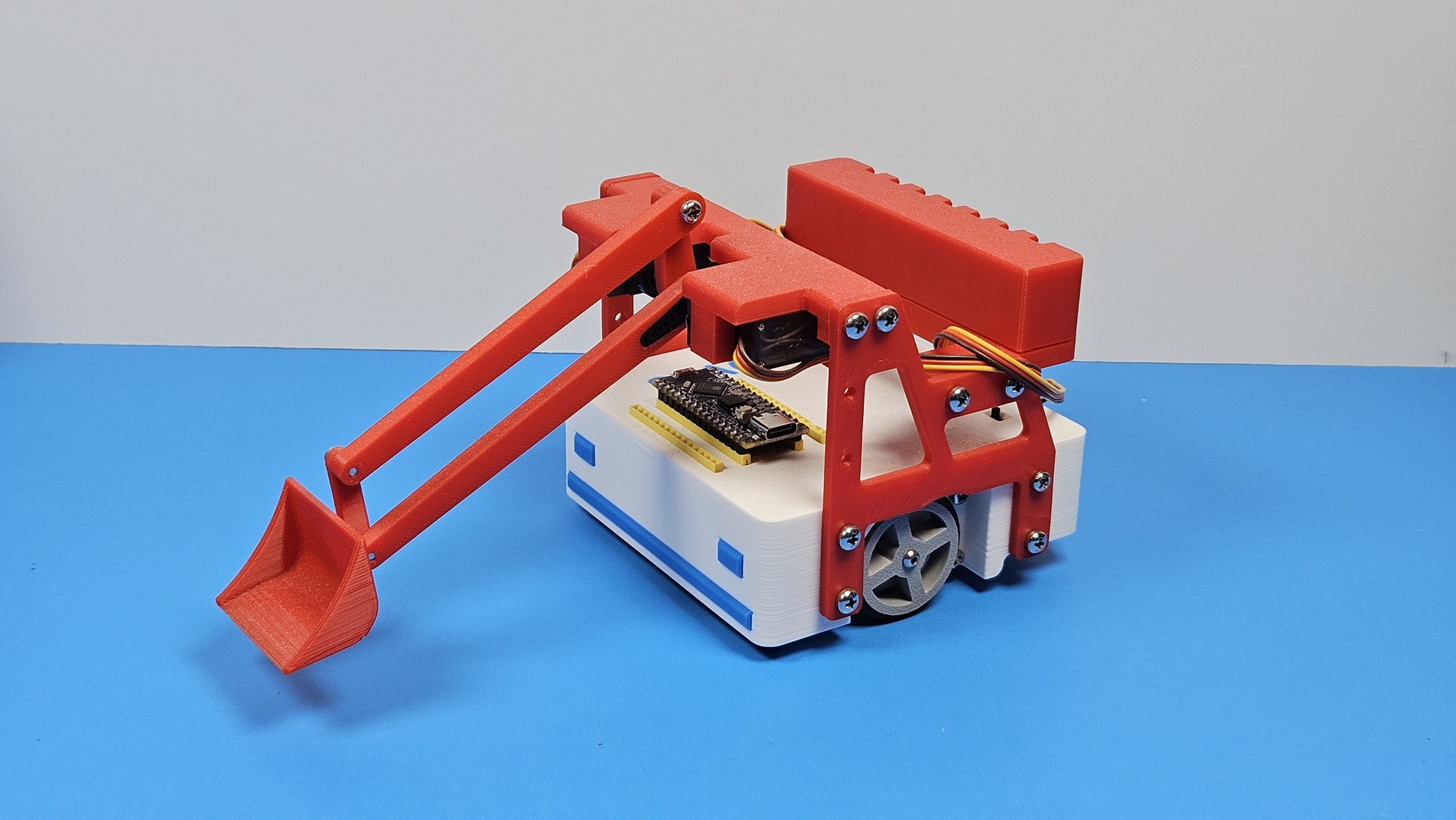
Digger
A mechanical arm attachment for the Stackr platform featuring a parallelogram linkage system powered by dual servos to actuate both the arm and scoop simultaneously. I designed and built this project to explore physical linkages, actuators, and robotics mechanics.
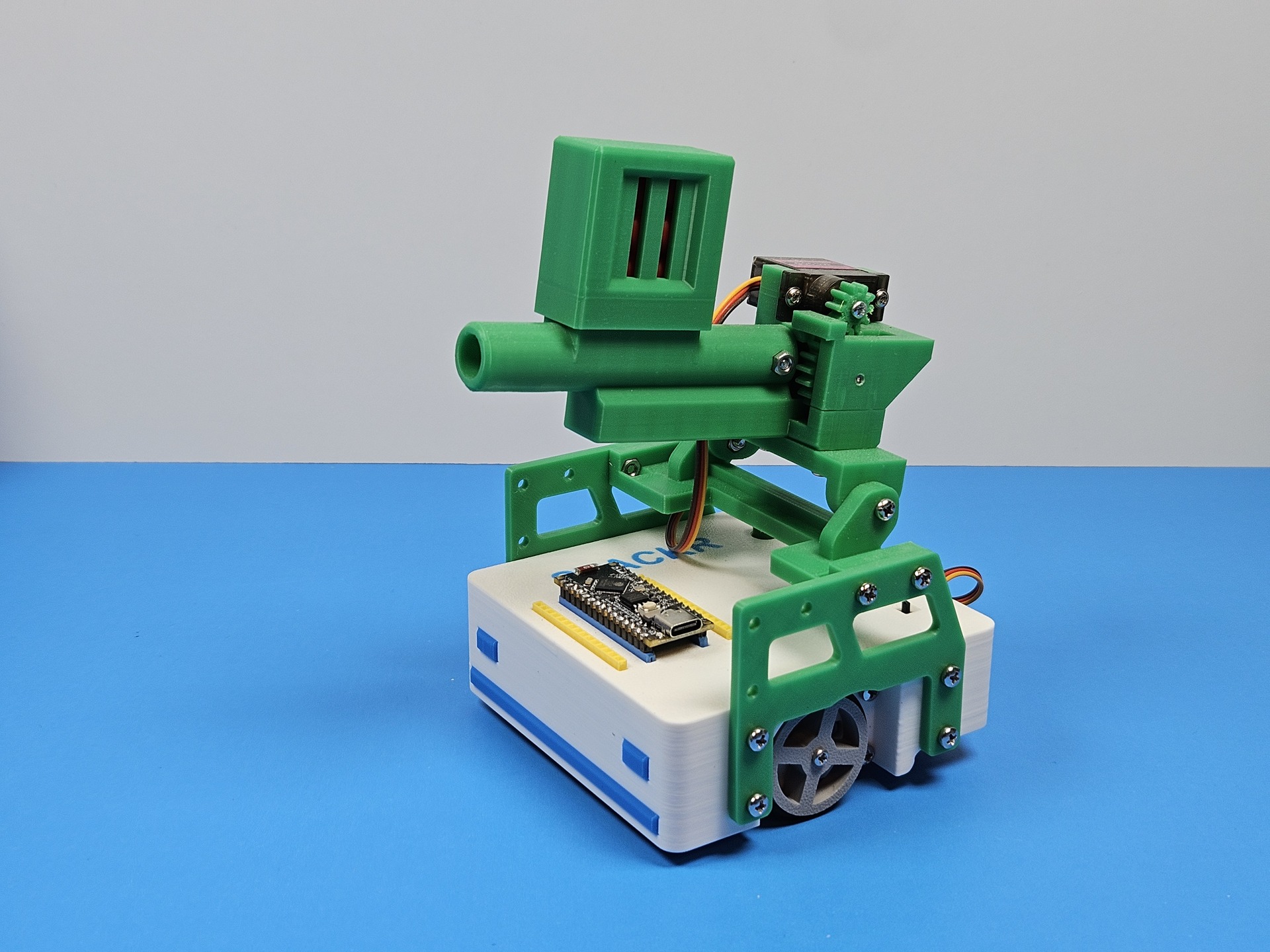
Cannon
In the same spirit as the Digger project I continue my exploration of the mechanical systems with a spring loaded rack and pinion arming mechanism to create a cannon add-on for Stackr. By making this project I also expanded my knowledge of servos with understanding how continuous servos work, basically a dc motor with a controller onboard.
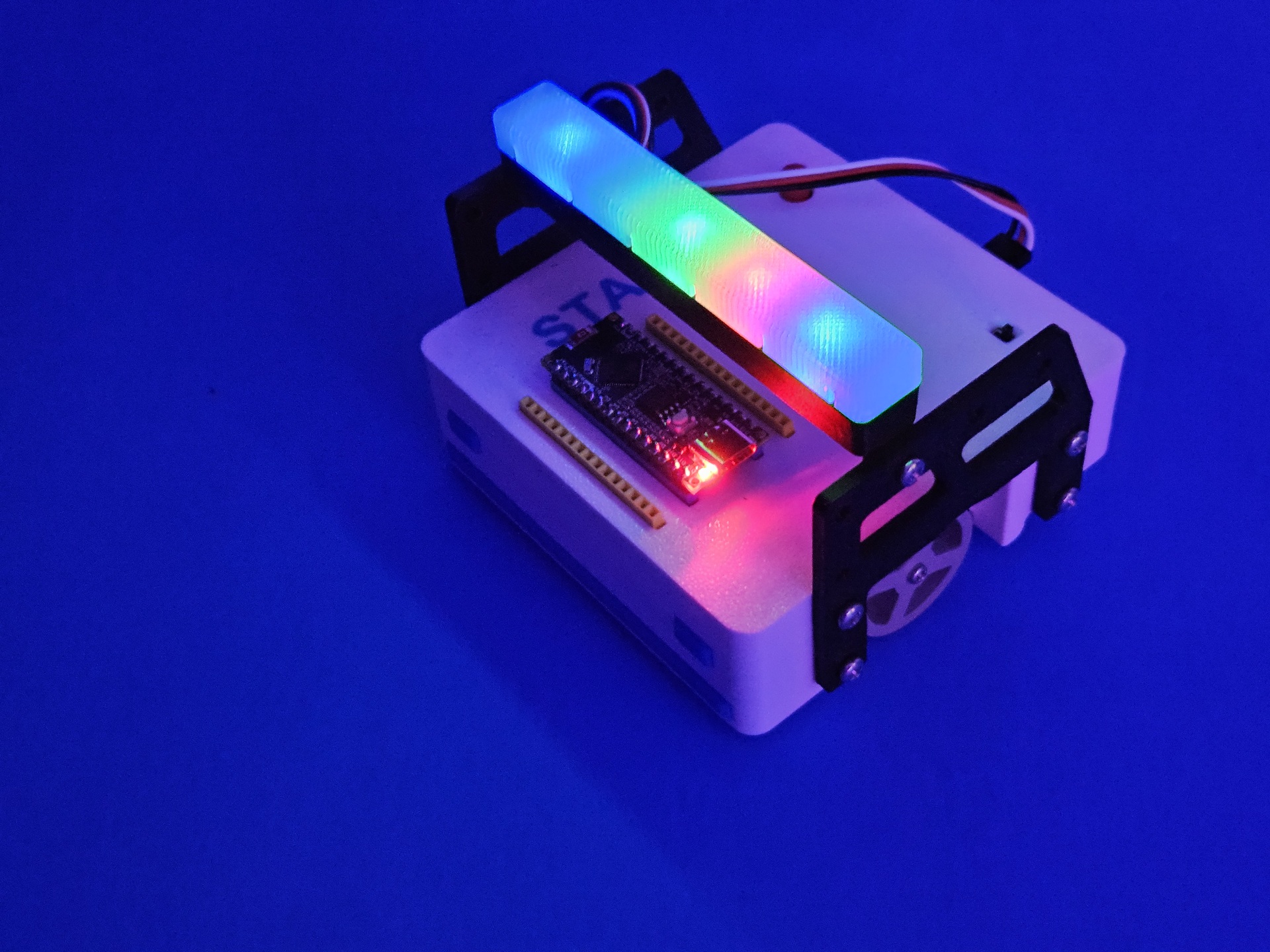
Light Bar
Creating a light bar add-on featuring addressable WS2812 LEDs to transform the Stackr platform into an emergency or service vehicle (such as police cars, ambulances, or construction machinery) allowed me to learn how to interface the Arduino Nano ESP32 with the addressable LEDs.
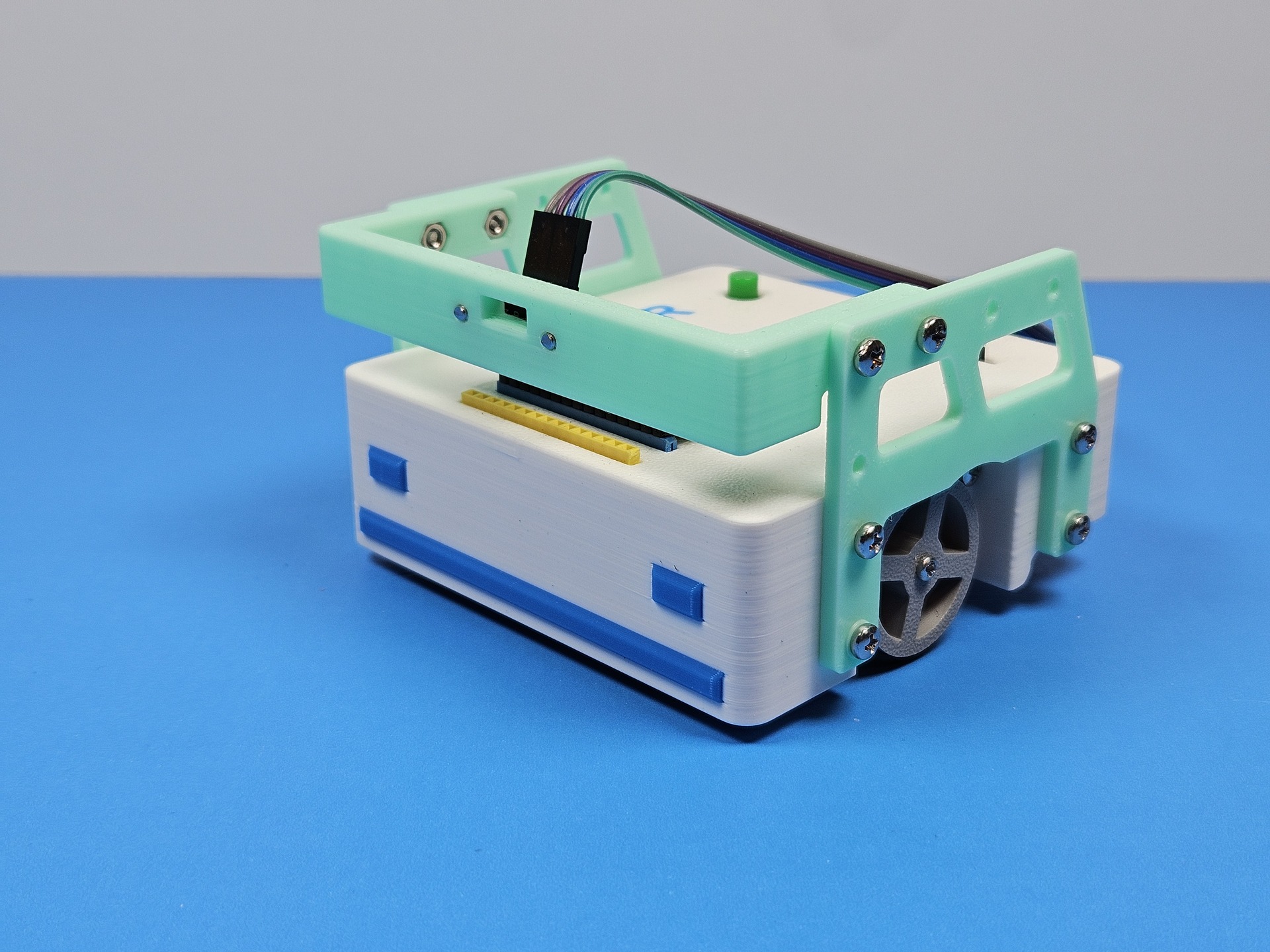
Lidar
As a hand-following add-on for Stackr uses a laser range-sensor VL53L0X Time-of-Flight sensor connected with the Arduino Nano ESP32 via the I2C protocol. Built as a precursor to the Sumo-bot project, it allowed me to learn about I2C interface and protocol.
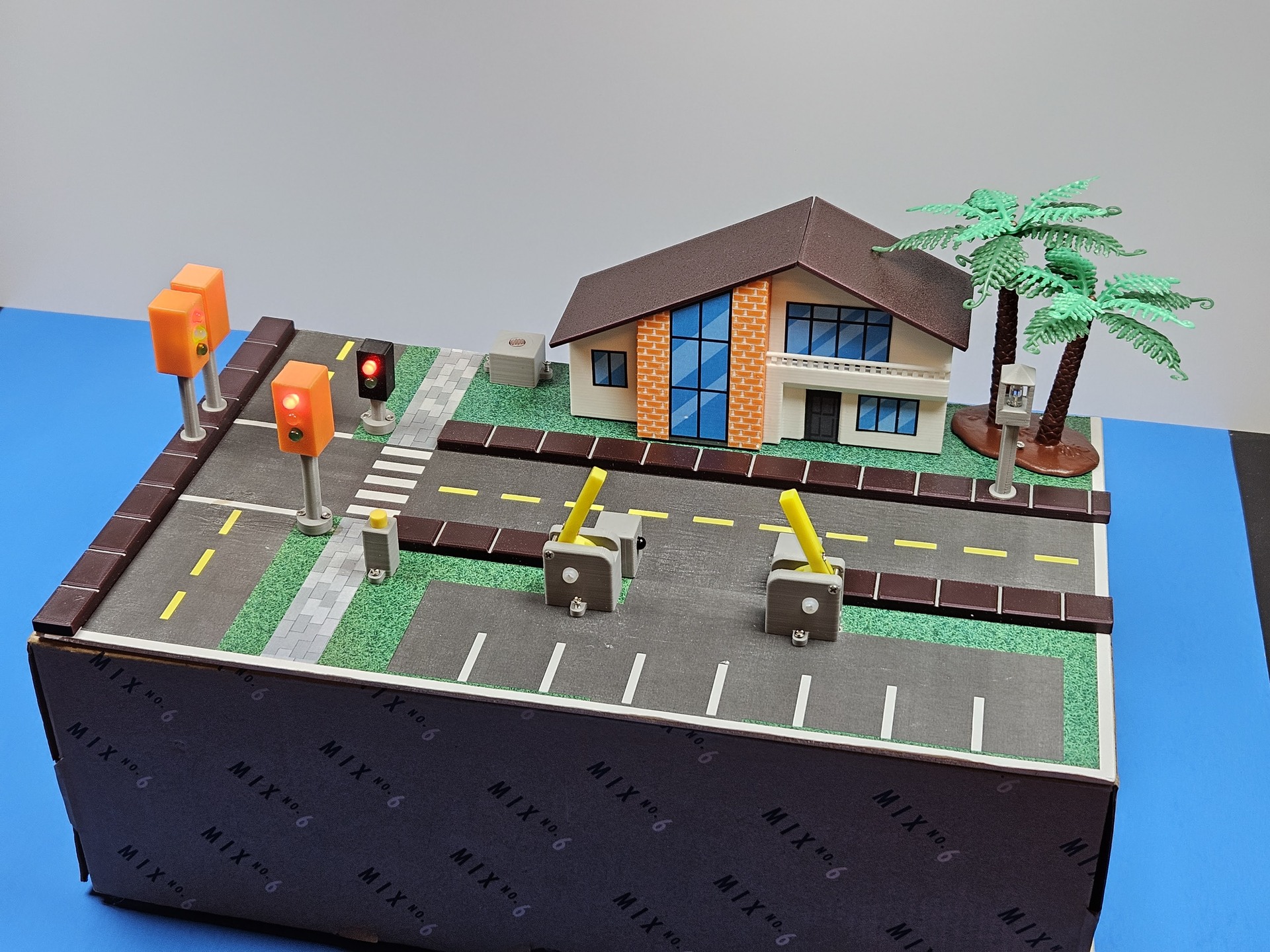
Traffic Light System
A miniature interactive scale model showcasing automated urban infrastructure, including working LED traffic lights, parking lot boom gates, street lighting, and crosswalks. Designed to explore sensor integration, traffic management logic, and embedded control systems in a realistic smart city setting. This was built as a school project for the tech class.
Race Tracks
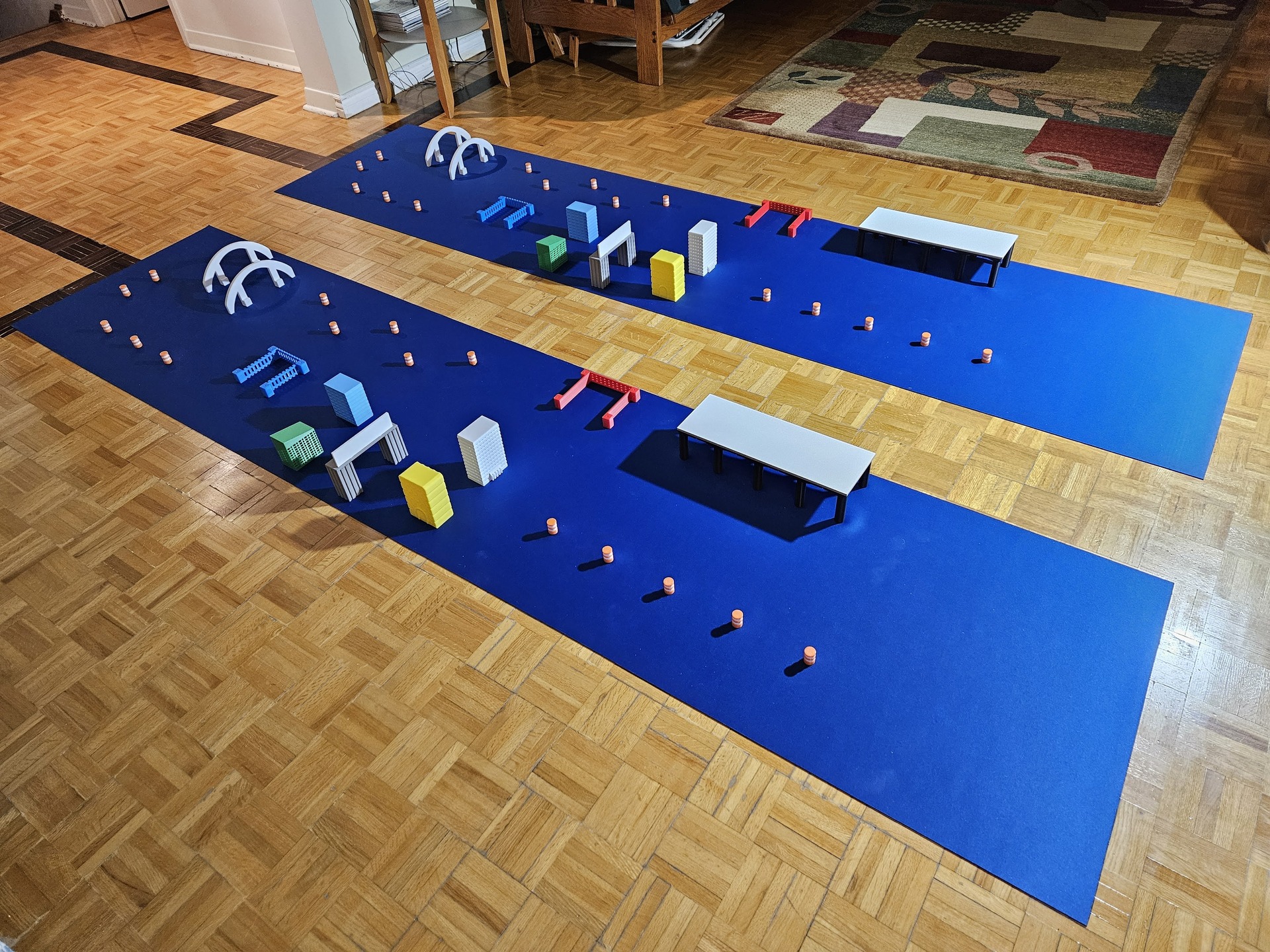
A custom-designed head-to-head racing competition setup featuring two parallel blue mats equipped with 3D-printed city obstacles, gates, buildings, mini construction cones, and precision parking platforms for autonomous or remote-controlled robot challenges. I designed and built this project for the robot racing competition I initiated and organized. This project involved quite a lot of CAD design.
Ultrasonic Radar
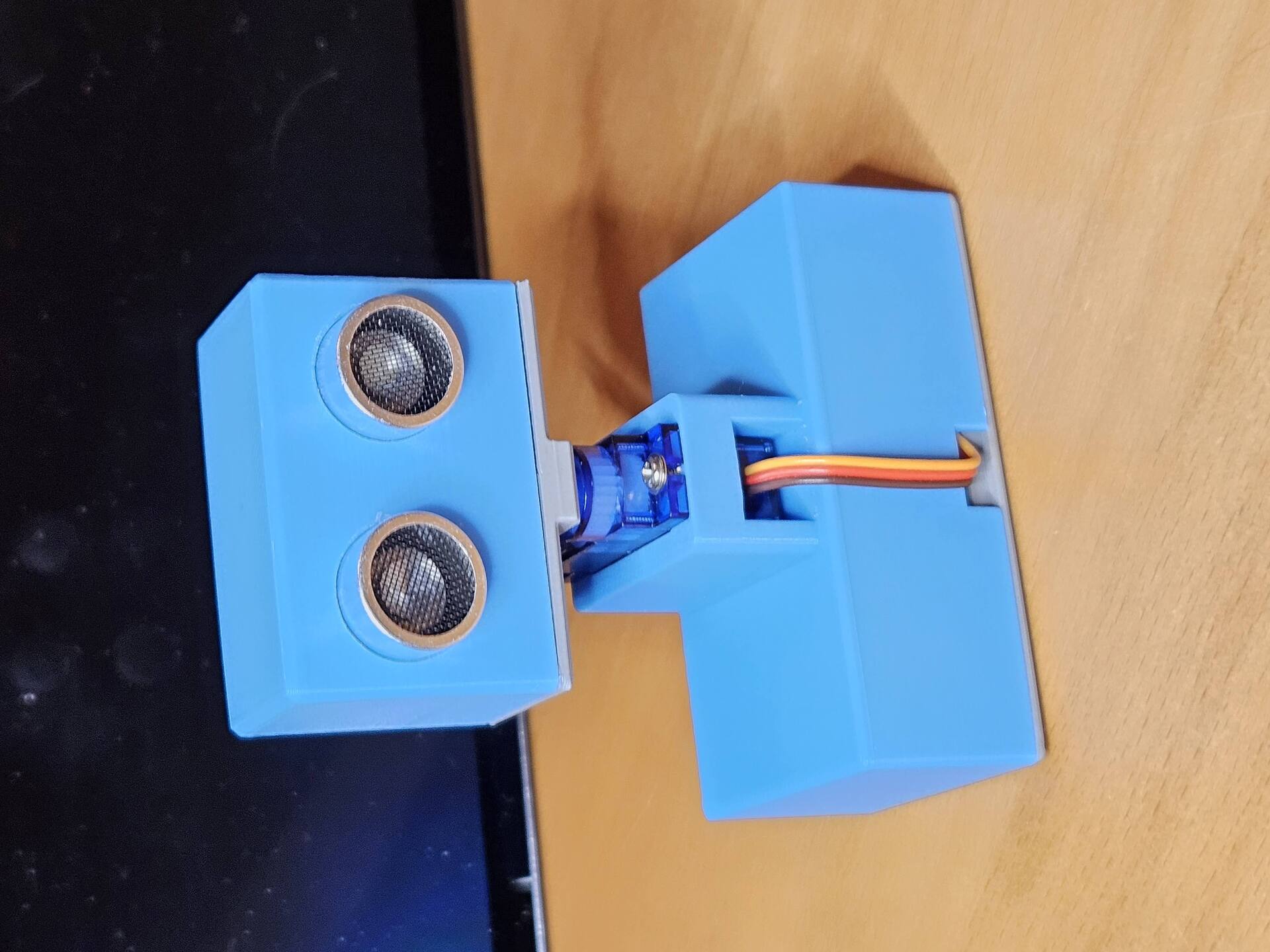
This project is an ultrasonic radar system built using an HC-SR04 sensor mounted on a servo motor for a 180 degrees sweeping range. It bridges hardware and software through serial communication, sending real-time distance and angle measurements to a desktop application that displays the data on a custom radar-style graphical user interface (GUI).